

Engineering track record
and client delivery.
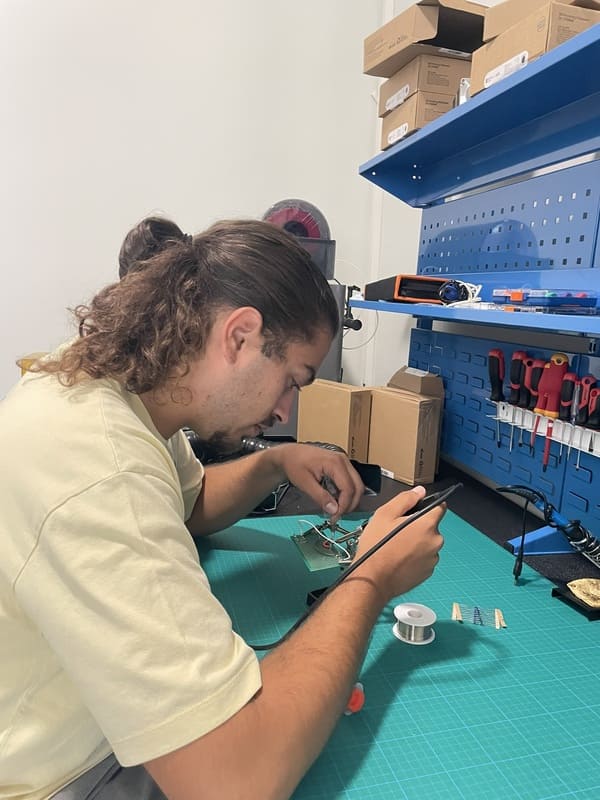
Projects spanning semiconductor integration, precision optomechanics, medical devices, industrial systems, and engineering software.
Precision Opto-Mechanical System
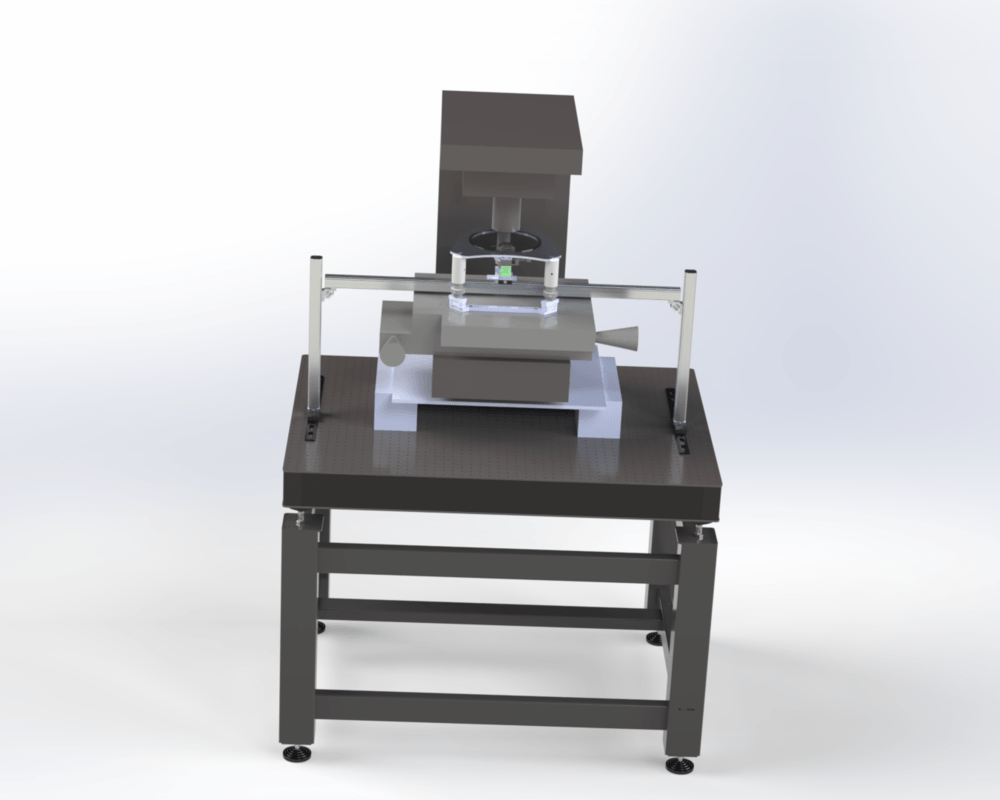
A client needed a precision opto-mechanical system built to demanding optical and positioning tolerances. Not just the parts, but a subsystem that would arrive aligned, controllable, and ready to integrate.
Lysitron owned the full system. We handled the mechanical and opto-mechanical design in-house, drove fabrication of the production-grade precision parts through our qualified manufacturing partners under our own specifications and quality requirements, and developed the control software for the delivered assemblies and their controllers. Design, tolerancing, and final integration stayed with us end to end.
A complete, working system delivered to the client, including mechanics, controllers, and software as one integrated unit rather than a set of parts to be assembled and programmed downstream.
Microfluidic Packaging for Semiconductor Devices
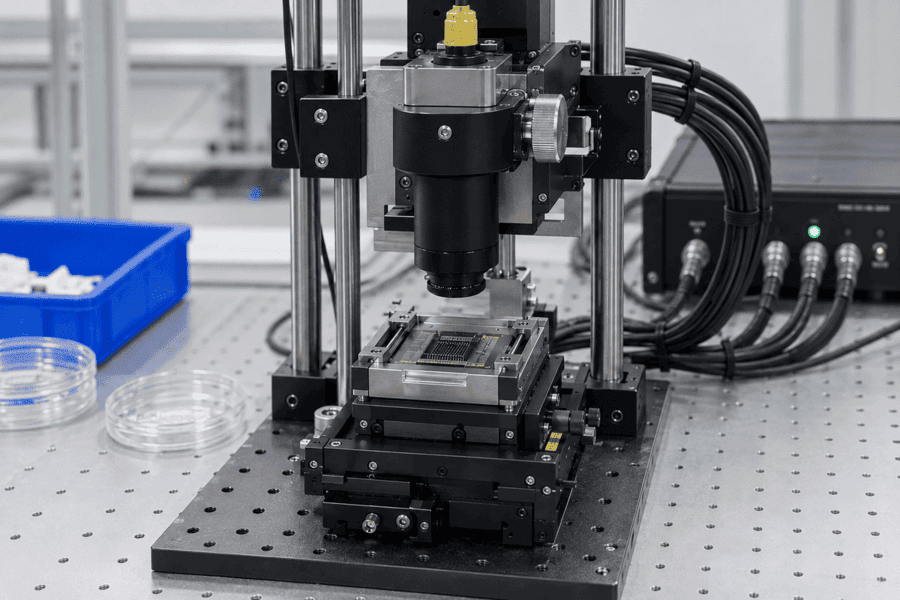
Bonding complex microfluidic manifolds directly onto semiconductor chips with hundreds of tightly spaced I/O points, without fluid leakage or cross-channel contamination that would short the electronics.
Lysitron engineered a semi-automated alignment tool and a modular cartridge architecture that delivers highly repeatable alignment between the fluidic manifold and the chip's interface, with impedance matching designed into the electrical pathways.
A cartridge that seals the fluidics and keeps high-frequency signals clean and stable, in a form practical for repeatable fabrication.
Macro-to-Micro Fluidic Cartridge
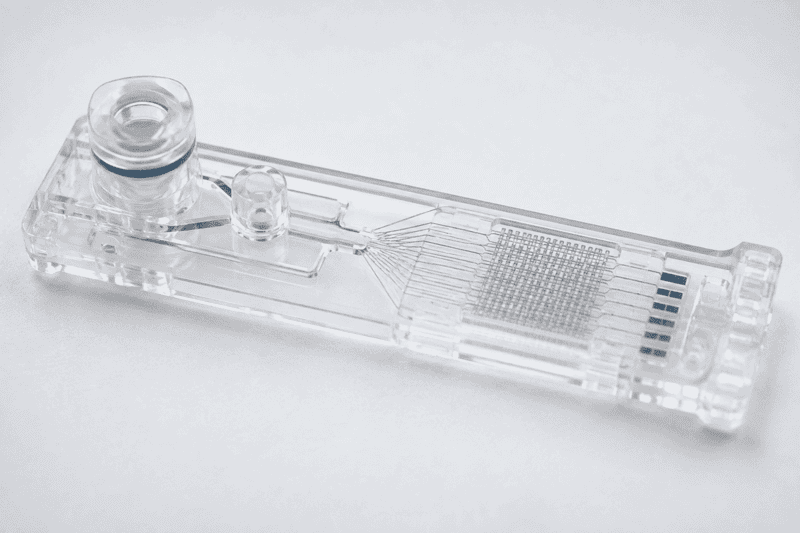
Funnel millilitre-scale raw samples down into microscopic analysis channels in a consumer-ready, mass-producible format, without losing sample to dead volume or creating pressure spikes that destroy the micro-architecture.
Lysitron engineered a fluidic cartridge optimized for injection molding, built around manifold transitions that step the fluid volume down gradually while maintaining laminar flow. The internal geometry respects the draft angles and wall-thickness rules of high-throughput manufacturing.
A design moved from prototype toward a mass-producible product, delivering low cost-per-unit while getting even trace biomarkers to the sensors efficiently.
Semiconductor Integration for AI Applications
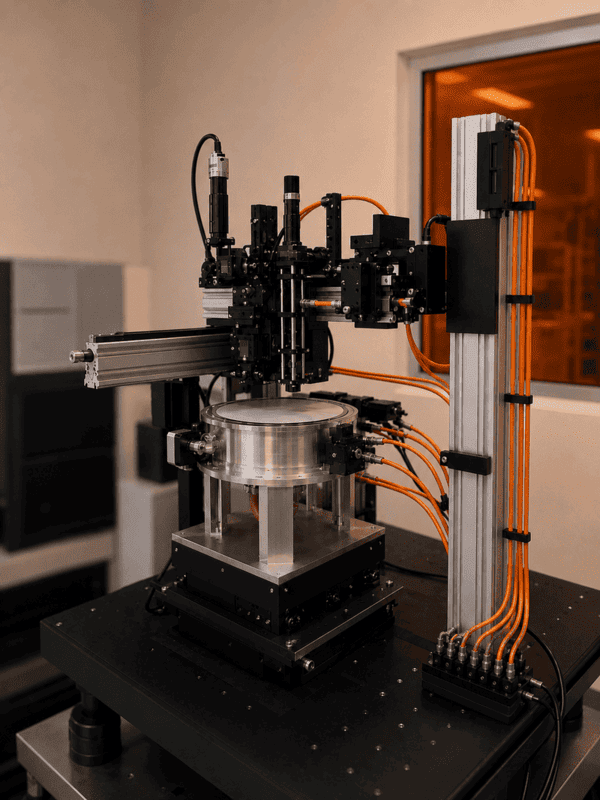
New AI chip architectures rely on novel 2D materials, but the bottleneck isn't design, it's manufacturing them at scale. Placing ultra-thin layers without wrinkling, tearing, or misalignment is extremely difficult in high-volume production.
Members of the Lysitron team designed a fully automated optomechanical transfer system that mechanically positions and places fragile 2D materials onto wafer substrates with sub-micron precision, using continuous feedback, active vibration isolation, thermal-drift management, and autofocus and stabilization algorithms.
A system bridging lab-scale physics and commercial fabrication, enabling repeatable, high-yield production of advanced processors to industry standards.
High-Precision Laser Diode Integration
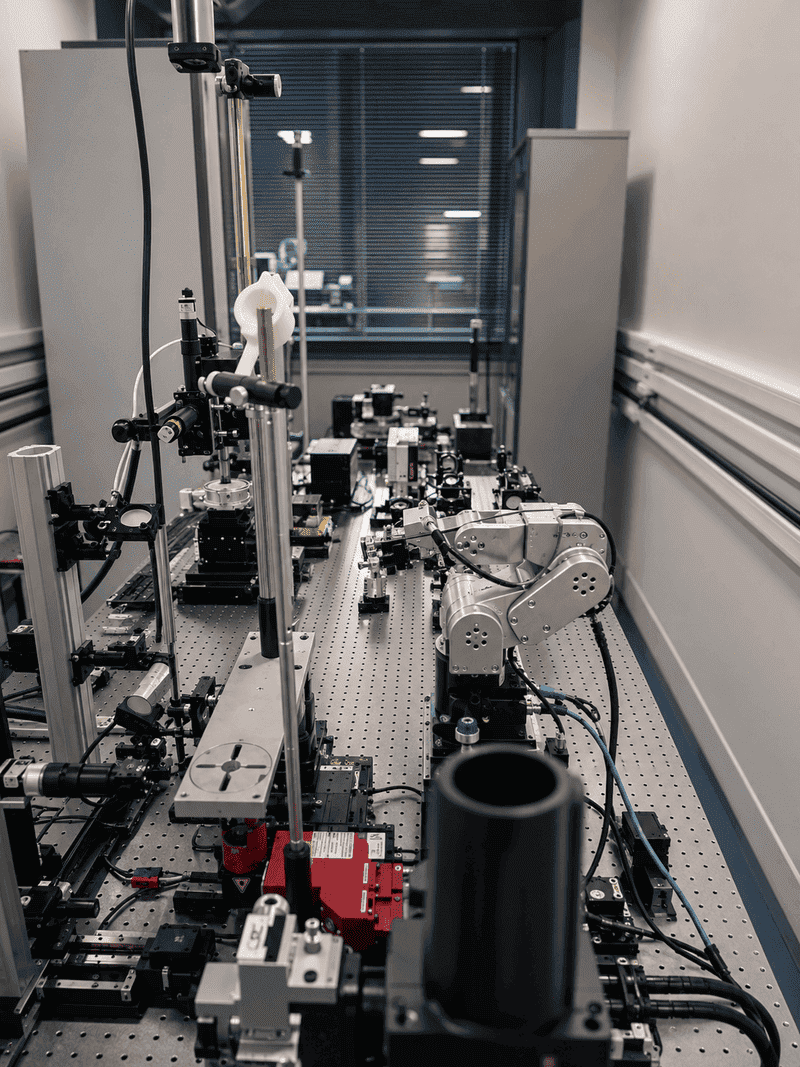
Integrating on-chip light sources requires aligning micron-scale RGB laser diodes with on-chip waveguides, where the margin for error is at the sub-micron scale.
The team developed a custom ultra-high-resolution pick-and-place system with a motion stage accurate to several hundred nanometers and a sub-pixel image-recognition algorithm. Rather than adhesives, it places diodes onto pre-patterned solder paste and triggers a controlled laser-soldering process that locks them precisely at the waveguide interface.
Eliminated the need for external fiber coupling, reducing package footprint while delivering the stable, efficient optical coupling high-density photonics demands.
Integrated Photonic Chip Design

Condensing optics, electronics, and microfluidics onto a single compact chip without cross-domain interference or performance loss.
The team contributed to the core architecture and specialized packaging of a multi-domain chip, integrating photonic waveguides, microfluidic channels, and microelectronic actuators. Signal degradation and cross-talk were mapped through extensive modeling before fabrication, with strict thermal management and precise optical alignment.
A semiconductor architecture that held signal integrity across subsystems, routing and processing data reliably across the whole device.
Ex-Vivo Heart Perfusion System

Standard cold storage limits donor hearts to roughly four hours, while blood-based machine perfusion is costly and unreliable.
The team developed a custom blood-free perfusion circuit engineered around the fluid dynamics and metabolic needs of a proprietary T3-hormone solution, established the clinical protocols for it, and integrated custom sensors, live data visualization, and automated control to regulate flow, pressure, and temperature in real time.
A blood-free system, under experimental evaluation with clinical experts, that replaces conventional perfusates and holds organs viable well beyond the cold-storage window.
Stereotaxic Instrument for Neuroscience

Pre-clinical neurological surgery needs sub-millimetre spatial accuracy while cutting down complex, time-consuming procedural workflows.
The team engineered and prototyped an integrated stereotaxic platform combining high-precision automated motion control with a built-in thermoregulation system in one instrument.
Shorter surgical setup times, better procedural repeatability, and reliable subject temperature management throughout the operation.
Comprehensive Orthopedic Solutions

Bridge personalized biomechanical engineering and clinical efficacy, from surgical implants and bone research to non-invasive corrective devices.
Lysitron pursued three linked threads: patient-specific titanium femur implants designed from CT scans and optimized via FEA for gait loads; a custom compression-testing device applying variable mechanical loads to cell cultures to study load-induced bone regeneration; and custom-fit Hallux Valgus correctors built with proprietary algorithms, 3D scanning, and printing.
A demonstrated in-house capability spanning the full orthopedic range, validated through patient trials on the corrective devices.
Magnetic Gears
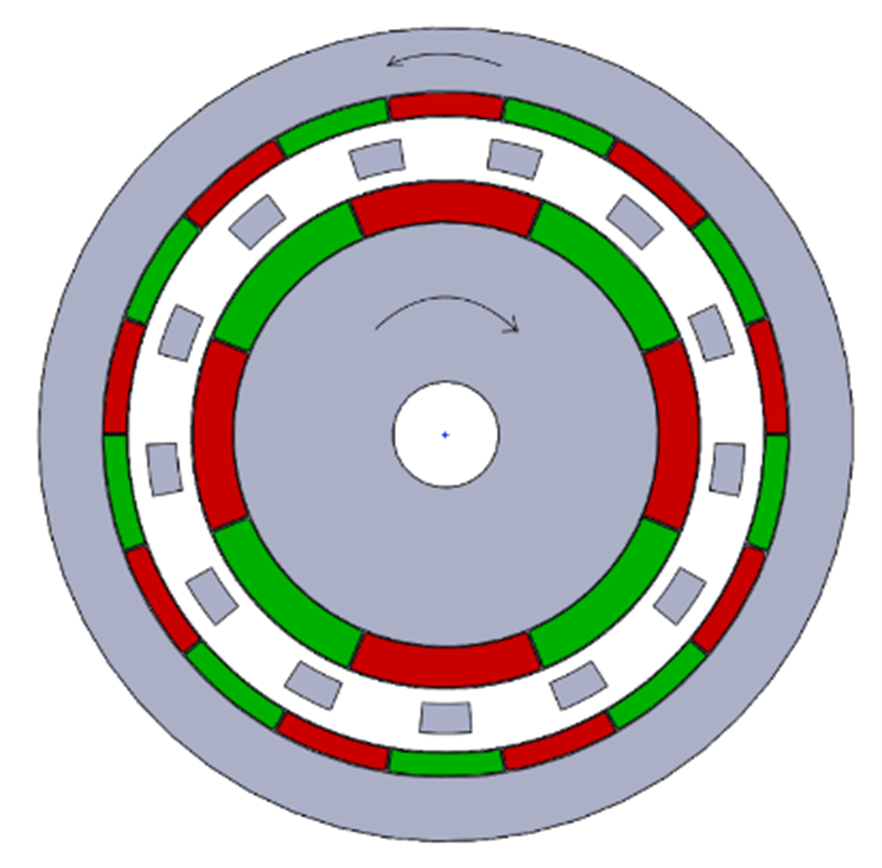
Optimize complex non-contact magnetic transmission systems without the enormous computational cost of full Finite Element Analysis.
The team built a design-and-optimization toolset for magnetic geartrains: a proprietary MATLAB analytical model based on Maxwell's equations that computes torque roughly 125× faster than standard FEA, validated against Ansys Maxwell across rotor angles and geometries, plus transient rev-up/rev-down analysis to characterize transmission error, vibration, and magnetic slip.
A fast, accurate design capability for contactless magnetic transmission, applicable to future robotics and industrial drivetrains.